“Music can change your mood, your outlook, and even your physical well-being”
-Dr. Daniel Levitin
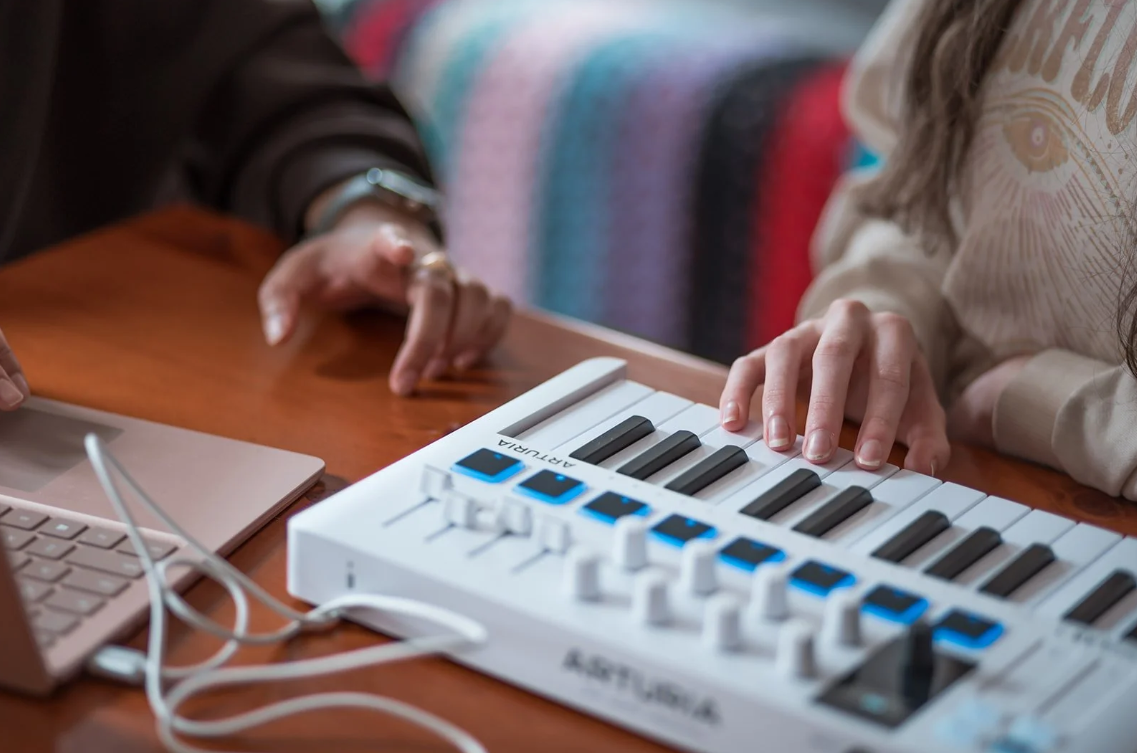
What is Music Therapy?
Music therapy is an evidence-based allied health service that uses music to support emotional wellbeing, communication, cognitive development, physical health, and mental health.
Concordia Music Therapy provides an inclusive and affirming space for all, including individuals from LGBTQIA+ and culturally diverse communities.
Sessions may include active or receptive music therapy interventions designed and targeted to support therapeutic goals in collaboration with the client and the therapist.
Music has the unique ability to connect with the brain and body at the same time, making it a powerful tool for improving wellbeing, expression, and engagement.
Music can access parts of us that words sometimes cannot. Through a trauma-informed lens, we are mindful of how sound, rhythm, and creative expression may affect the nervous system. Sessions are implemented and guided with care, ensuring that each experience feels grounding, empowering, and safe.
What happens in music therapy?
Depending on your interests and needs, music therapy may include one or a combination of the following music therapy interventions:
Song writing / Lyric Substitution
Singing
Instrument-play/ Jamming
Music & mindfulness
Music-assisted counselling
Song sharing and lyric analysis
Playlist creation (for mood regulation)
Therapeutic Music Lessons (guitar, piano, drums, bass guitar, violin, ukulele)
Digital music creation (eg. recording, Garageband)

How Music Therapy Helps
Music therapy can support a wide range of therapeutic outcomes, including:
Emotional regulation and coping skills
Trauma-informed music therapy for emotional healing and self-expression.
Social skills and relationship building
Communication and expressive language
Cognitive development and attention
Motor skills and coordination
Pain management and relaxation
Through structured music experiences, clients can explore new ways to communicate, build skills, and experience meaningful connection.

Individual Music Therapy Sessions
Individual music therapy sessions are available at the client’s preferred location or online via telehealth.
Concordia Music Therapy works with:
• NDIS self-managed participants
• NDIS plan-managed participants
• Private clients
Sessions are personalised to support each client’s goals, whether that involves improving communication skills, emotional regulation, social interaction and building relationships, or cognitive development.
Music therapy can also support people experiencing stress, anxiety, trauma, identity exploration, or other mental health challenges. Sessions are designed to be safe, inclusive, and supportive for individuals from culturally diverse, linguistically diverse, and LGBTQIA+ communities.

NDIS Music Therapy
Music therapy may be funded through the NDIS (National Disability Insurance Scheme) when it supports therapeutic goals within a participant’s plan.
Concordia Music Therapy provides sessions for both NDIS self-managed and plan-managed participants.
If you are unsure whether music therapy is available in your plan, Concordia Music Therapy can help you understand your options.
Online Music Therapy (Telehealth)
Online music therapy sessions are available through secure telehealth platforms.
Telehealth sessions make it possible to access music therapy from home while still receiving structured therapeutic support.

Start Music Therapy Today
Music therapy can be a powerful way to support emotional wellbeing, communication, identity exploration, and personal growth.
If you would like to learn more about music therapy or start sessions, you can contact Concordia Music Therapy to discuss your needs and goals.