Victorian Schools Mental Health Menu
- Music Therapy -
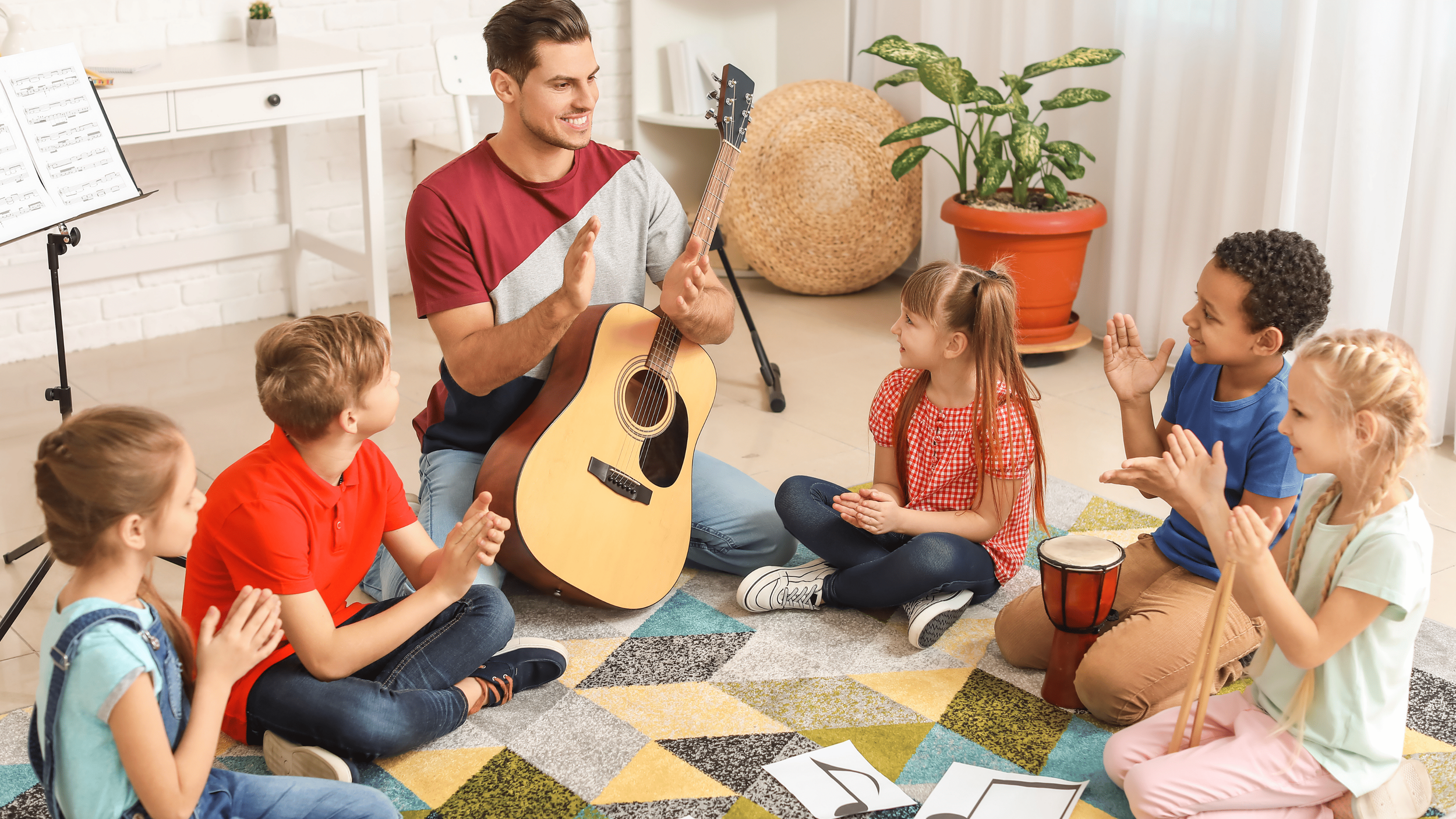
Supporting Youth Mental Health in Schools Through Music Therapy
Schools play a key role in supporting the mental health and wellbeing of children and young people. Evidence-based programs can help students build the skills they need to manage emotions, develop coping strategies, and stay engaged in learning.
Music therapy offers a practical, inclusive and engaging way to support students across primary and secondary school settings.
What is Music Therapy in Schools?
Music therapy in schools is a structured, evidence-based approach delivered by a Registered Music Therapist. Our team will work closely with key members of your school to ensure the music therapy program we deliver is best suited to your school’s culture, and the wellbeing needs of your students.
Sessions use music-based interventions such as music listening, songwriting, instrument play, and guided reflection to support emotional regulation, development of coping strategies and positive social connectedness.
Programs can be delivered to align with the tiered approach used in the Schools Mental Health Menu, supporting prevention, early intervention, and targeted care, including:
Whole-school wellbeing initiatives
Small group programs for targeted support
Individual sessions for students with higher needs
How Music Therapy Supports Students
Music therapy can support a wide range of youth mental health needs, including:
Emotional regulation and coping strategies: Students learn to recognise, express and regulate their emotions through listening to, talking about, and playing/making music, building practical strategies they can use in everyday contexts.
Anxiety and depression support: Engaging in supported music-making such as song writing, instrument-play (group drumming, percussion, learning an instrument), or singing can be a safe outlet for processing feelings, reducing stress, connecting with peers, and therefore improving mood.
Managing behaviours and engagement: Structured trauma-informed sessions can support students in developing music-based coping strategies that can aid in developing behaviour management strategies, improving focus, and building positive classroom participation.
School refusal and attendance/Positive peer connection: Music therapy can help students reconnect with their peers and school community in a safe and supported way, building a sense of belonging and meaningful connection through shared musical experiences and collaboration in group music-process e.g. writing a rap together, jamming on instruments, improving confidence, sense of belonging, and therefore attendance over time.
Programs are tailored to the developmental needs of young people, including identity, relationships, and emotional wellbeing.
Supporting Students Through Key School Challenges
Music therapy can be particularly helpful during periods of increased stress, including:
Coping with VCE pressures and academic demands
Navigating social challenges and peer relationships
Managing transitions between year levels or schools
Navigating complex home and social environments
By building emotional awareness and resilience, students are better equipped to manage challenges both in and outside the classroom.

A Whole-School Approach to Wellbeing
Music therapy can be integrated into a whole-school approach, complementing existing wellbeing programs and supporting staff in responding to student needs.
Programs are flexible and will align with your unique school culture priorities, including:
Social and emotional learning
Student wellbeing initiatives
Mental health and inclusion strategies
A strong focus on early support and prevention can help reduce long-term mental health risks and supports better learning outcomes.
The following video showcases some of the work Priscilla Pek (RMT, Founder) has done in mainstream education settings,
using the intervention of song-writing with a selected group of high school
students to facilitate increased confidence, creative-self expression and
positive peer connection. Skip ahead to 1:03s!
*References for music therapy in Australian schools:
McFerran, K. S., Crooke, A. H. D., & Bolger, L. (2017). Promoting engagement in school through tailored music programs. International Journal of Education & the Arts, 18(3).
McFerran, K. S., & Rickson, D. (2014). Community music therapy in schools: Realigning with the needs of contemporary students, staff and systems. International Journal of Community Music, 7(1), 75-92.
McFERRAN, K., & Teggelove, K. (2011, January). Music therapy with young people in schools: After the Black Saturday fires. In Voices: A World Forum for Music Therapy (Vol. 11, No. 1).
Enquire About Music Therapy for Your School
If your school is looking to strengthen its approach to youth mental health and wellbeing, music therapy offers a practical and engaging solution.
Contact us to discuss how a tailored program can support your students, staff, and wider school community.